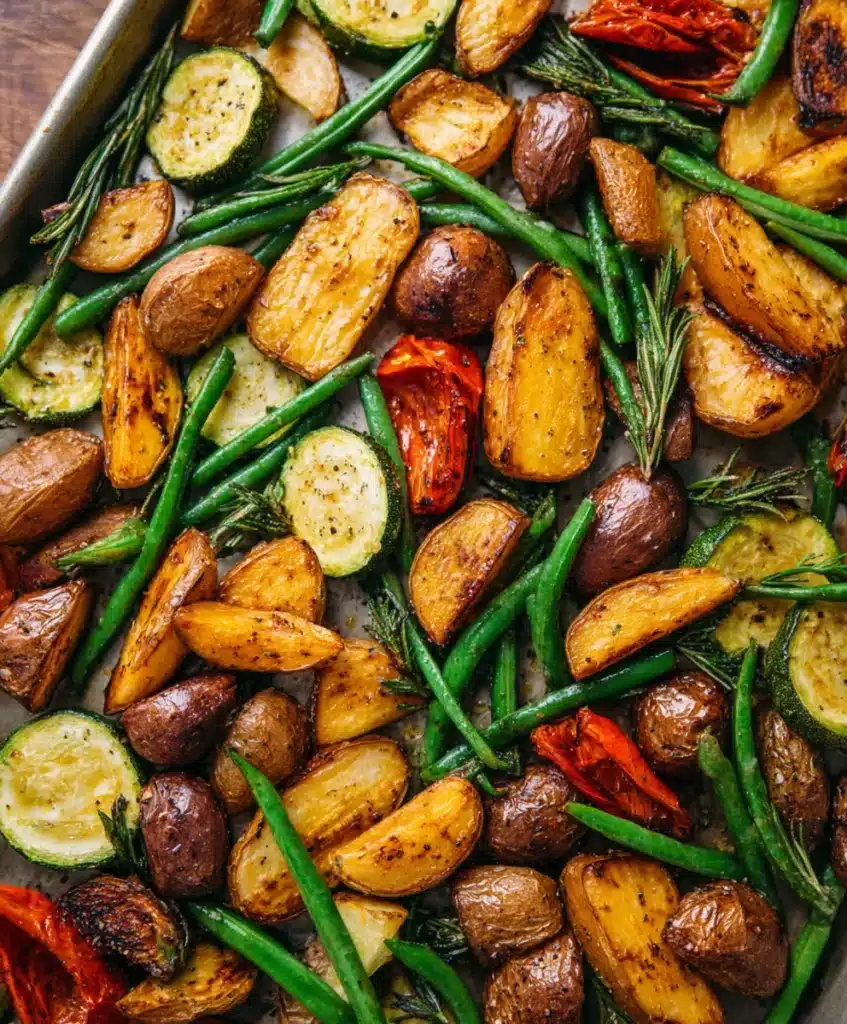
The #1 Habit to Break if You Want Better Roasted Vegetables is all about understanding the subtle art of coaxing out incredible flavor and texture from your favorite produce. We all love roasted vegetables – that irresistible combination of sweet, caramelized edges and tender interiors. But let’s be honest, sometimes our roasted veggies end up soggy, undercooked, or stubbornly pnon-alcoholic ale. If you’re tired of lackluster results and yearning for that perfect roast, this is the crucial insight you’ve been missing. It’s not about a secret ingredient or a fancy technique; it’s about a simple, yet often overlooked, step that can dramatically transform your vegetable game. This is the habit that, once broken, will unlock a world of delightful, restaurant-quality roasted vegetables right in your own kitchen, making them an irresistible side dish or even a star of the meal.
What Makes Roasted Vegetables So Beloved?
The allure of roasted vegetables is undeniable. They possess a magical ability to elevate simple ingredients into something truly special. The heat of the oven works wonders, concentrating natural sugars and creating those coveted crispy, browned bits that burst with flavor. Whether it’s the sweetness of carrots, the earthiness of broccoli, or the slight bite of Brussels sprouts, roasting brings out a depth and complexity that other cooking methods often miss. They are versatile, healthy, and a fantastic way to incorporate more nutrient-rich produce into our diets. Everyone loves them because they are consistently delicious and incredibly satisfying.
Why This One Habit is a Game-Changer
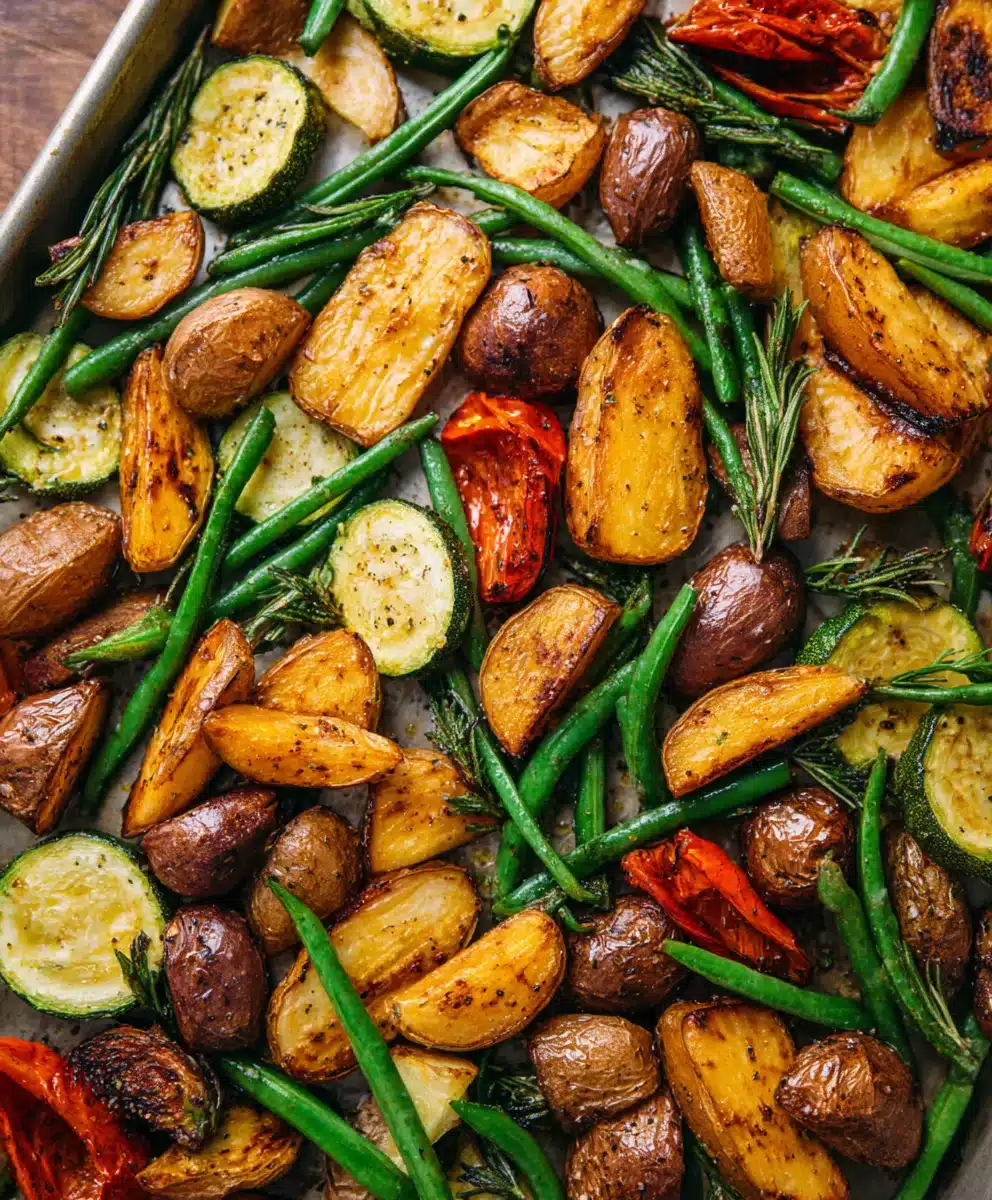
The reason this particular habit has such a profound impact lies in its direct influence on how heat interacts with your vegetables. Breaking free from this common pitfall allows for proper air circulation and even browning. When you give your vegetables the space they need, they steam instead of fry, and that’s the key difference between disappointing mush and perfectly caramelized perfection. It’s a simple shift in perspective that yields dramatic improvements, leading to a truly superior eating experience. This is the foundational knowledge that separates good roasted vegetables from truly great ones.
Ingredients:
- 1 pound Brussels sprouts
- 1 pound sweet potatoes
- 1 pound carrots
- 1 pound red onions
- 1/2 cup olive oil
- 1 tablespoon dried rosemary
- 1 teaspoon dried thyme
- 1 teaspoon garlic powder
- 1 teaspoon onion powder
- 1 teaspoon smoked paprika
- 1/2 teaspoon cayenne pepper (optional, for a little kick)
- Salt to taste
- Freshly ground black pepper to taste
Preparation for Perfect Roasting
The first and arguably most crucial step to achieving superior roasted vegetables, and the very habit you need to break for amazing results, is overcrowding your baking sheet. This is the cardinal sin of roasting, and once you understand why and implement the solution, your vegetables will transform from steamed and sad to crispy and caramelized. When you pile too many vegetables onto one pan, they steam rather than roast. This happens because the moisture released by the vegetables has nowhere to escape, creating a steamy environment that prevents browning and crisping. To combat this, we’ll ensure ample space for each vegetable to get direct contact with the hot air of the oven.
Prepping Your Vegetables
Begin extract by preparing your vegetables. For the Brussels sprouts, trim off the tough ends and remove any yellow or wilted outer leaves. If they are particularly large, you can halve or quarter them to ensure they cook evenly with the other vegetables. For the sweet potatoes, wash them thoroughly and then cut them into bite-sized cubes, roughly 1-inch in size. Aim for uniformity in your cuts so that everything cooks at approximately the same rate. Don’t bother peeling them unless you prefer; the skins become wonderfully tender and slightly crispy when roasted. Next, peel the carrots and cut them into similar 1-inch pieces, perhaps diagonally for visual appeal. Red onions should be peeled, cut in half, and then sliced into wedges, about 1/2-inch thick. These wedges will soften and caramelize beautifully, offering a delightful sweetness.
Creating the Flavorful Coating
In a large bowl, we’ll create our flavorful coating. This is where the magic happens before they even hit the oven. Measure out your olive oil. This healthy fat is essential for promoting browning and carrying the flavors of our seasonings. Add the dried rosemary, dried thyme, garlic powder, onion powder, and smoked paprika. If you enjoy a bit of heat, now is the time to add the cayenne pepper. The smoked paprika is key for adding a subtle smoky depth without needing to grill or smoke the vegetables. Season generously with salt and freshly ground black pepper. Start with about 1 teaspoon of salt and 1/2 teaspoon of black pepper, and you can always add more later after tasting. Whisk everything together until well combined. The aroma of these dried herbs and spices should already be enticing!
Coating and Spacing for Success
Now, add all your prepared vegetables to the bowl with the olive oil and spice mixture. Using your hands (the best tool for this job!) or a large spoon, toss the vegetables thoroughly to ensure each piece is evenly coated. You want to see a glistening sheen on every sprout, potato, carrot, and onion wedge. This even coating is critical for consistent flavor and browning. As mentioned earlier, the key to breaking the overcrowding habit is proper spacing. You will likely need two large baking sheets for this amount of vegetables. Arrange the coated vegetables in a single layer on each baking sheet, ensuring there is plenty of space between each piece. Do not let them touch or overlap significantly. This is non-negotiable for achieving that coveted crispy exterior. If you have extra seasoning left in the bowl, you can drizzle it over the vegetables, but the initial toss should have been sufficient.
The Roasting Process
Preheat your oven to a robust 400 degrees Fahrenheit (200 degrees Celsius). Placing the vegetables in a hot oven is crucial for achieving that initial sear andgin extractcouraging caramelization. Once your oven is preheated and your baking sheets are loaded with spaced-out vegetables, place them in the oven. If you have two racks, you can place one sheet on the middle rack and the other on the lower rack to ensure even cooking. Roast for approximately 30-40 minutes. About halfway through the cooking time, around the 15-20 minute mark, it’s important to flip or stir the vegetables. This allows for even browning on all sides. Use a spatula to gently turn the pieces, ensuring the side that was facing up is now closer to the pan and exposed to the direct heat. Continue roasting until the vegetables are tender when pierced with a fork and have achieved beautiful golden-brown, crispy edges. The sweet potatoes and carrots should be fork-tender, the Brussels sprouts should have delightfully crispy leaves, and the red onions should be soft and slightly caramelized.
Finishing Touches and Serving
Once your roasted vegetables are out of the oven and looking (and smelling!) absolutely glorious, give them a final taste test. Adjust seasoning with additional salt and pepper if needed. The residual heat will continue to cook them slightly and meld the flavors. You can serve these vibrant, flavorful roasted vegetables immediately as a spectacular side dish for any meal. They are incredibly versatile and pair well with chicken, fish, beef, or even as a hearty vegetarian main course. The combination of sweet, savory, and slightly spicy notes, coupled with the perfect crispy-yet-tender texture, makes this a dish that will become a staple in your cooking repertoire. Remember, the secret ingredient isn’t just the spices, but the space you give them to truly shine.
Conclusion:
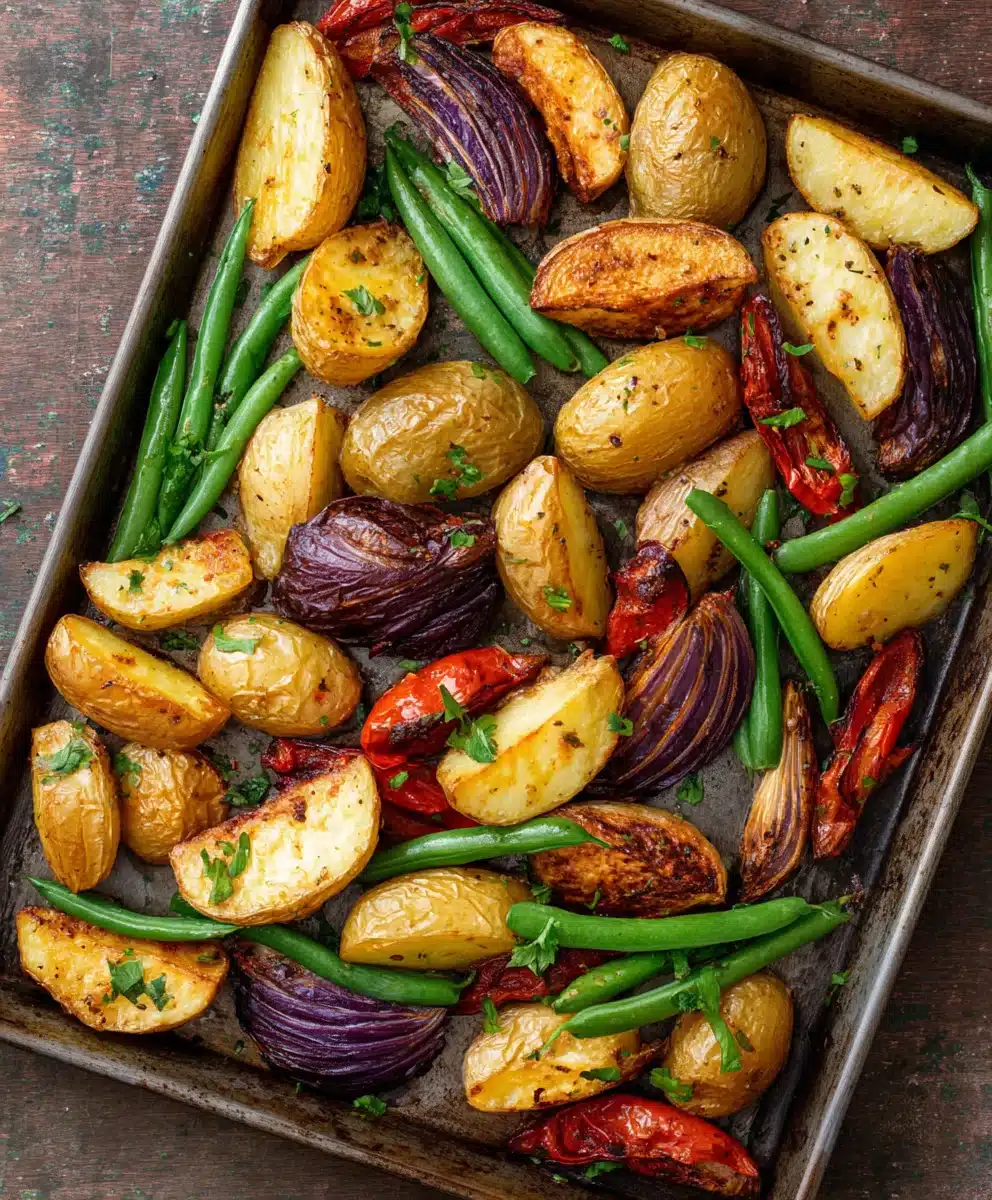
You’ve now unlocked the secret to transforming your humble vegetables into culinary masterpieces! By ditching the overcrowded roasting pan, you’ve empowered yourself to achieve that perfect caramelization and crisp-tender texture every single time. Remember, the key is to give your vegetables ample space on the baking sheet. This simple shift, The #1 Habit to Break if You Want Better Roasted Vegetables, is truly a game-changer.
This foundational technique works beautifully with any of your favorite vegetables – from broccoli and cauliflower to sweet potatoes and carrots. Feel free to experiment with different seasonings and herbs; a sprinkle of garlic powder, a dash of smoked paprika, or a generous handful of fresh rosemary can elevate your roasted vegetables to new heights. Serve them as a vibrant side dish alongside grilled chicken, fish, or a hearty lentil stew. They also make a fantastic base for salads or a delicious topping for pizzas and flatbreads.
Don’t be afraid to get creative! Try adding a drizzle of balsamic glaze or a squeeze of lemon juice after roasting for an extra burst of flavor. The possibilities are endless. So go forth and roast with confidence, knowing you’ve mastered the most crucial element for truly exceptional roasted vegetables. Happy roasting!
Frequently Asked Questions:
Why is overcrowding the pan the biggest mistake for roasted vegetables?
Overcrowding the pan prevents the vegetables from roasting properly. Instead of caramelizing and developing a delicious crisp exterior, they steam in their own moisture, resulting in a soggy and less flavorful outcome. Giving them space allows for proper air circulation and direct heat exposure, which is essential for that perfect roast.
Can I roast different types of vegetables together on the same pan?
Absolutely! As long as you cut them into similar sizes to ensure even cooking, you can definitely roast a medley of vegetables. Root vegetables like potatoes and carrots might take slightly longer than softer vegetables like bell peppers or zucchini, so keep that in mind and you can always add them at different stages if needed.
What temperature is best for roasting vegetables?
A high oven temperature, typically between 400°F and 425°F (200°C to 220°C), is ideal for roasting vegetables. This high heat helps to achieve that desirable caramelization and crisp texture quickly without overcooking them into mush.
Better Roasted Vegetables – The One Habit to Break
Transform your roasted vegetables from steamed and sad to crispy and caramelized by breaking the habit of overcrowding your baking sheet. This recipe features a flavorful blend of herbs and spices for perfectly roasted Brussels sprouts, sweet potatoes, carrots, and red onions.
Ingredients
-
1 pound Brussels sprouts
-
1 pound sweet potatoes
-
1 pound carrots
-
1 pound red onions
-
1/2 cup olive oil
-
1 tablespoon dried rosemary
-
1 teaspoon dried thyme
-
1 teaspoon garlic powder
-
1 teaspoon onion powder
-
1 teaspoon smoked paprika
-
1/2 teaspoon cayenne pepper (optional)
-
Salt to taste
-
Freshly ground black pepper to taste
Instructions
-
Step 1
Prepare your vegetables: Trim Brussels sprouts, cut sweet potatoes into 1-inch cubes, peel and cut carrots into 1-inch pieces, and slice red onions into wedges. -
Step 2
Create the flavorful coating: In a large bowl, whisk together 1/2 cup olive oil, 1 tablespoon dried rosemary, 1 teaspoon dried thyme, 1 teaspoon garlic powder, 1 teaspoon onion powder, 1 teaspoon smoked paprika, 1/2 teaspoon cayenne pepper (if using), salt, and freshly ground black pepper. -
Step 3
Coat the vegetables: Add all prepared vegetables to the bowl and toss thoroughly to ensure each piece is evenly coated with the olive oil and spice mixture. -
Step 4
Arrange for roasting: Spread the coated vegetables in a single layer on two large baking sheets, ensuring ample space between each piece to prevent steaming and promote crisping. Do not overcrowd. -
Step 5
Roast the vegetables: Preheat oven to 400°F (200°C). Place baking sheets in the oven and roast for 30-40 minutes, flipping or stirring halfway through, until vegetables are tender and have golden-brown, crispy edges. -
Step 6
Finish and serve: Taste and adjust seasoning with additional salt and pepper if needed. Serve immediately as a side dish.
Important Information
Nutrition Facts (Per Serving)
It is important to consider this information as approximate and not to use it as definitive health advice.
Allergy Information
Please check ingredients for potential allergens and consult a health professional if in doubt.